picure & idea all about indoor garden, botanical, greenhouse
The gallery for u0026gt; Japanese Zen Garden Indoor
Get link
Facebook
X
Pinterest
Email
Other Apps
interior garder we caller green house is a structure with walls and roof made chiefly of transparent material, such as glass, in which plants requiring regulated climatic conditions are grown.[1] These structures range in dimensions from small sheds to industrial-sized buildings. A smaller greenhouse is known as a cold frame. The particular interior of a greenhouse subjected to sunlight becomes significantly warmer than the external ambient temperature, protecting its contents in cold weather.Many commercial glass greenhouses or hothouses are high tech production facilities for vegetables or flowers. The particular glass greenhouses are stuffed with equipment including testing installations, heating, cooling, lights, and may be manipulated by a computer to improve conditions for plant development. Different techniques are then used to evaluate optimality-degrees and comfort ratio of greenhouse micro-climate (i. e., air temperature, relative dampness and vapor pressure deficit) in order to lessen creation risk prior to farming of a specific harvest.Greenhouses are often used for growing flowers, vegetables, fruits, and transplants. Special greenhouse varieties of certain crops, such as tomatoes, are generally used for commercial production. Many veggies and flowers can be grown in greenhouses in late winter and springtime, and then transplanted outside as the weather warms. Bumblebees are the pollinators of choice for many pollination,[citation needed] although other types of bees have been used, as well as artificial pollination. Hydroponics (especially hydroponic A-frames) can be used to make the most use of the interior area
Japanese Indoor Gardens Gardenso
The relatively closed environment of a greenhouse has its own unique management requirements, compared with outside production. Pests and diseases, and extremes of temperature and humidity, have to be controlled, and water sources is necessary to provide water. Most greenhouses use sprinklers or drip lines. Significant inputs of warmth and light may be required, particularly with winter production of warm-weather vegetables.
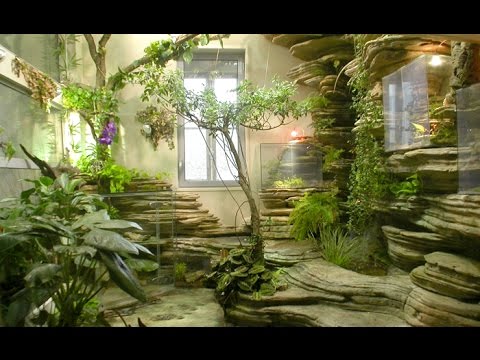
Make Oriental Atmosphere With Indoor Japanese Garden YouTube
Greenhouses also have applications outside of the agriculture industry. GlassPoint Solar, located in Fremont, California, encloses solar areas in greenhouses to produce steam for solar-enhanced oil recovery. For example, in November 2017 GlassPoint announced that it is building a solar increased essential oil recovery facility near Bakersfield, CA that uses greenhouses to enclose its parabolic troughs
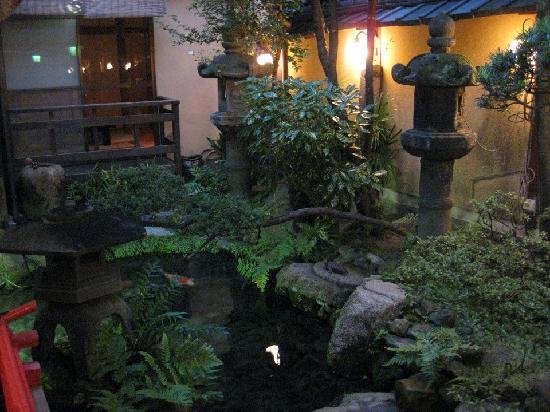
Indoor Japanese garden and fishpond. Picture of Kikokuso, Kyoto TripAdvisor
An "alpine house" is a specific greenhouse used for growing alpine plants. The purpose of an alpine house is to mimic the conditions in which alpine plants grow; particularly to provide protection from damp conditions in winter. Alpine houses are often unheated, since the plants developed there are hardy, or require at most protection from hard frost in the winter. They may be designed to have excellent ventilation
25 best Indoor zen garden ideas on Pinterest Zen gardens, Miniature fairy gardens and
Related Images with The gallery for u0026gt; Japanese Zen Garden Indoor
source image indoor japanese garden from incolors.club
indoor garder we caller greenhouse is a structure with walls and roof made chiefly of transparent materials, such as glass, in which plants requiring regulated climatic conditions are grown.[1] These structures range in dimensions from small sheds to industrial-sized buildings. A small greenhouse is known as a cold frame. The particular interior of a green house subjected to sunlight becomes significantly warmer than the exterior ambient temperature, protecting the contents in cold weather. Many commercial glass greenhouses or hothouses are high tech production facilities for vegetables or flowers. The particular glass greenhouses are stuffed with equipment including verification installations, heating, cooling, lighting, and may be manipulated with a computer to improve conditions for plant growth. Different techniques are then used to evaluate optimality-degrees and comfort ratio of greenhouse micro-climate (i. electronic., air temperature, relative moisture and vapor pressure defici...
indoor garder we caller green house is a structure with walls and roof made chiefly of transparent materials, such as glass, in which plants requiring regulated climatic conditions are grown.[1] These structures range in dimensions from small sheds to industrial-sized buildings. A small greenhouse is known as a cold frame. The particular interior of a greenhouse subjected to sunlight becomes significantly warmer than the exterior ambient temperature, protecting its contents in cold weather. Many commercial glass greenhouses or hothouses are high tech production facilities for vegetables or flowers. The glass greenhouses are packed with equipment including screening installations, heating, cooling, lighting, and may be manipulated with a computer to improve conditions for plant development. Different techniques are then used to evaluate optimality-degrees and comfort ratio of greenhouse micro-climate (i. electronic., air temperature, relative moisture and vapor pressure deficit) in orde...
 interior garder we caller green house is a structure with walls and roof made chiefly of transparent material, such as glass, in which plants requiring regulated climatic conditions are grown.[1] These structures range in dimensions from small sheds to industrial-sized buildings. A smaller greenhouse is known as a cold frame. The particular interior of a greenhouse subjected to sunlight becomes significantly warmer than the external ambient temperature, protecting its contents in cold weather.Many commercial glass greenhouses or hothouses are high tech production facilities for vegetables or flowers. The particular glass greenhouses are stuffed with equipment including testing installations, heating, cooling, lights, and may be manipulated by a computer to improve conditions for plant development. Different techniques are then used to evaluate optimality-degrees and comfort ratio of greenhouse micro-climate (i. e., air temperature, relative dampness and vapor pressure deficit) in order to lessen creation risk prior to farming of a specific harvest.Greenhouses are often used for growing flowers, vegetables, fruits, and transplants. Special greenhouse varieties of certain crops, such as tomatoes, are generally used for commercial production. Many veggies and flowers can be grown in greenhouses in late winter and springtime, and then transplanted outside as the weather warms. Bumblebees are the pollinators of choice for many pollination,[citation needed] although other types of bees have been used, as well as artificial pollination. Hydroponics (especially hydroponic A-frames) can be used to make the most use of the interior area


Comments
Post a Comment